Picking the right incubus names is trickier than it looks. You want something dark, a little seductive, and memorable enough to stick. Whether you’re building a character for a novel, a tabletop campaign, or just messing around with worldbuilding, the name sets the tone before you write a single line of dialogue.
That’s where this list comes in handy. We’ve pulled together everything from classic incubus demon names to modern picks, plus a few famous incubus names pulled straight from pop culture and folklore. Need something fast? Our incubus name generator section has you covered too.
And if you’re working on a paired character, we’ve included male succubus name ideas as well. There’s something here for every kind of story.
Incubus Names Generator
Sometimes you just need a shortcut. A good incubus name generator mixes dark syllables — think “vor,” “nyx,” or “thar” — with softer sounds that hint at charm. That combo is what makes a name feel dangerous but still magnetic. Below, you’ll find names sorted by style, tone, and use case, so you’re not stuck scrolling through a random wall of text.
Use these lists as a starting point. Mix a first half from one name with a second half from another, and you’ll often land on something that feels entirely your own.
How This Generator Works
The logic behind this collection is pretty simple: dark fantasy names usually follow a rhythm. Harsh consonants (K, V, X, Z) signal power, while flowing sounds (L, R, N) add seduction. For example, “Kaelrix” hits both notes — sharp at the start, smoother by the end.
You don’t need any special tool to build your own. Just grab a root word tied to darkness, night, or fire, then bolt on a demon-sounding suffix like “-ion,” “-yx,” or “-ar.” Play around until something clicks.
Tips for Picking the Right Name
A name should match the character’s personality, not just sound cool. Here’s what to think about before you settle on one:
- Tone of your story — a comedic incubus needs a lighter name than a horror-movie villain.
- Cultural setting — Japanese, European, or invented mythologies each carry a different sound.
- Pronounceability — if readers or players stumble over it, it won’t stick.
- Meaning — even a made-up name feels stronger when it hints at something (“night,” “shadow,” “flame”).
A little intention goes a long way here. Rushing this step is the easiest way to end up with a name you regret three chapters in.
Fantasy Incubus Names
Fantasy incubus names lean into invented languages and unusual letter combos. They don’t need to mean anything specific — they just need to sound like they belong in another world. Names like Zareth, Vorath, or Thaziel work well because they’re easy to say out loud but still feel foreign enough to be otherworldly.
If you’re building an entire cast of demon characters, keeping a consistent naming pattern helps. Stick to similar syllable counts or shared sounds across your demon characters, and your world will feel more cohesive.
Dark Fantasy Style Names
Dark fantasy leans grim. Names here should feel heavy, almost like they’re dragging shadows behind them: Draviel, Morvex, Nyxar, Obryx. These work best for villains, cursed beings, or anything meant to unsettle the reader.
High Fantasy Style Names
High fantasy, on the other hand, often softens the edges a bit. Names like Alzaron, Sylvex, or Zephar still sound mythic, but they carry a bit more elegance — closer to a fallen angel than a straight-up monster.
Incubus Names in Mythology
Mythology is where incubus lore actually started, so it’s worth understanding the roots before you go inventing your own names. In medieval folklore, incubi were described as male demons who visited people in their sleep — a belief closely tied to what we’d now call sleep paralysis. That link between nightmare and desire is baked into a lot of the naming conventions you’ll see across fantasy media today.
Some names in this space, like Astarion or Belthar, sound almost historical, even though they’re modern inventions inspired by older demonology texts.
Origins in European Folklore
European folklore is the backbone of incubus mythology. Medieval scholars and clergy wrote extensively about demons believed to prey on sleeping victims, often blending real fear with religious explanation. Names from this tradition tend to sound Latin or Old English in structure — think Erevox, Valtheron, or Ozymar.
Cross-Cultural Demon Legends
However, Europe isn’t the only source. Nearly every culture has some version of a night demon or seductive spirit, from Mesopotamian legends to East Asian folklore. Looking beyond one tradition gives you a wider, richer pool of naming inspiration — and keeps your character from feeling like a copy of the same old trope.
Famous Incubus Names
Some demon names have become so well-known they’ve basically become archetypes. Asmodeus, Belial, Samael, and Azazel show up again and again across games, books, and shows — partly because they carry centuries of demonology behind them, and partly because they just sound powerful.
Using a famous name can add instant recognition, but it also comes with baggage. If your story leans original, you might prefer something adjacent but unique, like Baphorin or Dantalion, which nod to the classics without being a direct match.
Names from Literature and Film
Pop culture has borrowed heavily from demonology for decades. Whether it’s a side character in a horror novel or a boss enemy in a video game, these borrowed names carry instant weight — readers recognize the tone even if they don’t know the exact myth behind it.
Incubus Demon Names
If you want a name that screams “demon” the second someone reads it, this is the category to pull from. Names like Goreth, Ravok, Sinthar, and Doomriel go all-in on menace. They’re blunt, aggressive, and don’t leave much room for misinterpretation.
These work great for lower-tier demons, war-band leaders, or any character meant to feel more brutal than seductive.
Names Tied to Ancient Demonology
Older demonology texts, like grimoires and religious writings, often used titles alongside names — “Lord of,” “Prince of,” that kind of thing. You can borrow that structure even with an invented name. “Kravex, Lord of Ash” instantly feels more established than “Kravex” on its own.
Incubus Names Male & Female
Even though incubus technically refers to a male demon, plenty of writers blend or reverse the concept for their own characters. Male options like Lucien, Kaelen, or Thorne carry a classic dark-romantic feel. Meanwhile, feminine-leaning names like Selara, Xyra, or Vaesha work well if you’re crafting a male succubus name counterpart or flipping the trope entirely.
Masculine Name Options
Stick with strong, short syllables for a masculine feel — Riven, Corvin, and Orion all land somewhere between mysterious and commanding.
Feminine (Succubus-Adjacent) Variants
For feminine or succubus-adjacent names, softer vowel sounds tend to work better: Nyssa, Elzara, and Melrixa all carry a similar seductive energy without losing the dark undertone.
Incubus Names DnD & WoW
Tabletop and MMO communities have basically built their own naming conventions over the years. Players want names that are quick to say during combat but still sound suitably evil. Felrion, Shadowyn, Nightbane, and Hexthorn all fit that mold — punchy, easy to shout across a voice chat, and instantly recognizable as demon-coded.
Names for Tabletop Campaigns
In Dungeons and Dragons, a demon NPC’s name often needs to double as a bit of flavor text. Something like Runeshade or Grimspell hints at magic and menace at the same time, giving your dungeon master material to build backstory around.
Names for MMO Characters
World of Warcraft-style names lean a little more stylized, often stacking consonants for a harder edge — Doomcaster, Riftcaller, Voidrix. These read well on a character sheet and stand out in a crowded server list.
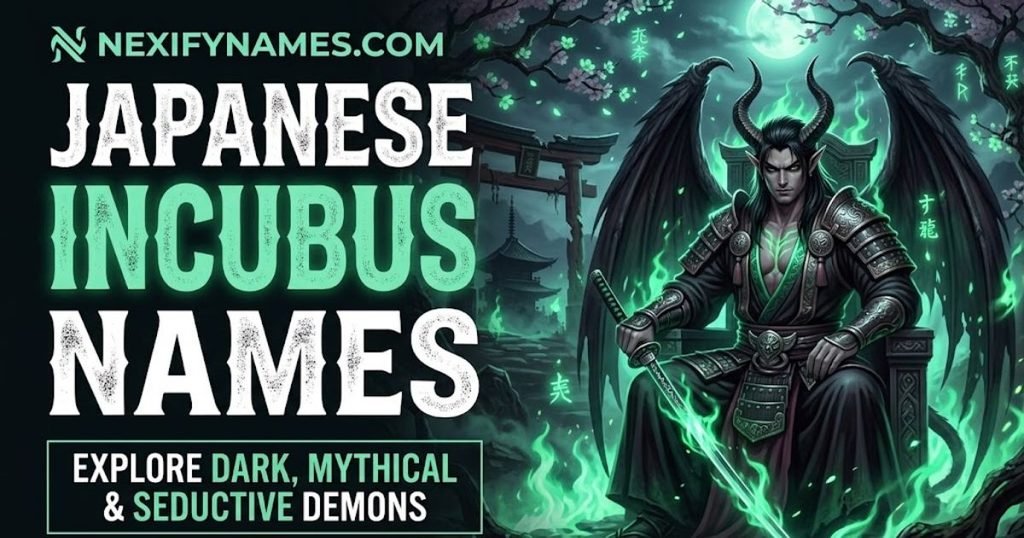
Japanese Incubus Names
Japanese-inspired demon names pull from yokai folklore, where spirits and demons have long, rich histories separate from Western demonology. Names like Akuryu, Kurozen, or Oniro carry that distinct sound — sharp, compact, and rooted in a completely different naming tradition than European-style demon names.
Names Inspired by Yokai Folklore
Yokai folklore is packed with shape-shifting spirits, night wanderers, and trickster demons, which makes it a great reference point if you want a name that feels ancient rather than invented. Shiryuu, Mokuren, and Kageya all carry that same weight.
Powerful Incubus Names
Some names are built purely to convey dominance. Dominex, Malzarek, Kaelthor, and Hellzar don’t need context — they already sound like they’re in charge. These work well for a demon lord, a final boss, or any character meant to intimidate on sight.
Names That Convey Strength and Menace
Hard consonant clusters do a lot of the heavy lifting here. Names like Vorthan or Zephyron pack multiple strong sounds together, which naturally reads as more threatening than something soft and flowing.
Incubus Names and Meanings
A name with a built-in meaning gives readers something to latch onto, even if they never see it spelled out. Here’s a quick reference:
| Name | Meaning |
| Nocthar | Lord of night |
| Velrix | Charming shadow |
| Avaron | Dark protector |
| Zyreth | Whisper of desire |
| Malvion | Cursed seducer |
| Nyther | Born from darkness |
| Elaris | Elegant flame |
| Draviel | Fallen watcher |
| Xyros | Burning soul |
| Vireon | Night spirit |
What Different Roots and Sounds Suggest
Notice a pattern? Words tied to “night,” “shadow,” and “flame” show up constantly in demon naming, and that’s not an accident. Those roots carry instant emotional weight — readers associate them with mystery and danger without needing an explanation.
One Word Incubus Names
Sometimes less really is more. A single-word name like Nyx, Vex, Shade, or Wraith can hit just as hard as something longer, especially for a side character who only needs a few lines of dialogue. Short names are also easier for readers to remember, which matters more than people usually give it credit for.
Short, Punchy Options
If you’re naming a minor demon or a recurring background character, one-word options like Ash, Fang, or Onyx keep things simple without sacrificing atmosphere.
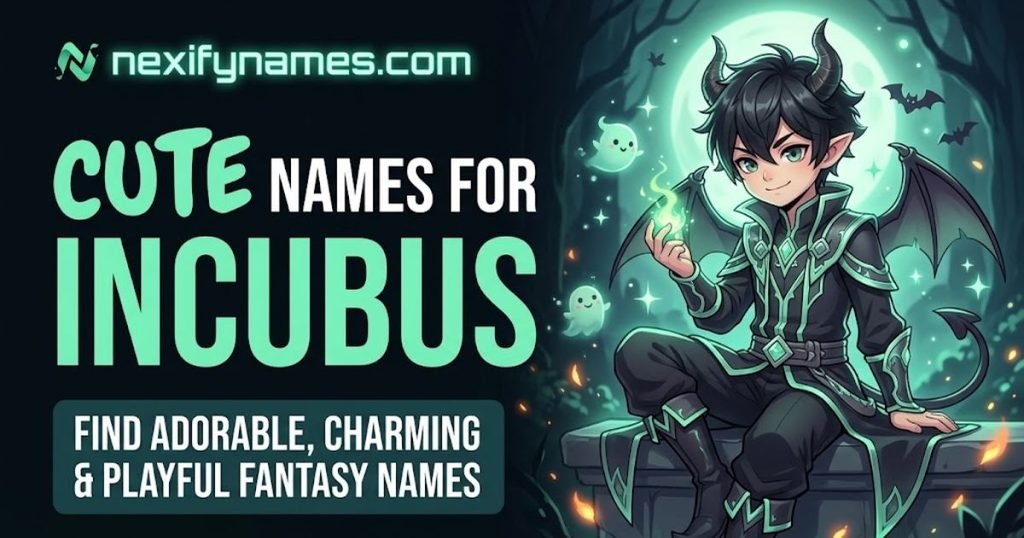
Cute Names for Incubus
Not every demon needs to be terrifying. If you’re writing something lighter — a comedic story, a kids’ fantasy series, or a quirky side character — cute demon nicknames work surprisingly well. Names like Binky, Momo, Zuzu, or Fizz flip the whole trope on its head in a fun way.
Lighter, Playful Alternatives
These names work best when paired with a personality that leans mischievous rather than menacing. A tiny demon named Pips causing chaos hits very differently than one named Doomriel.
Helluva Boss Incubus Names
The animated series Helluva Boss leans hard into stylized, punchy demon names, and it’s clearly influenced a wave of fan-made characters. Names like Blitzyx, Fizzthorn, or Jinxor capture that same energetic, slightly chaotic tone the show is known for.
Names Inspired by the Show’s Tone
If you’re a fan writing your own take on that universe, sticking to short, snappy names with unusual spelling — Snazz, Riot, Dazz — keeps things consistent with the source material’s style.
Good Names for Incubus
Not looking for anything extreme? Some names just work — balanced, easy to say, and still clearly demon-coded. Alarion, Valen, Orion, and Lucan all sit comfortably in that middle ground between “too soft” and “too aggressive.”
Balanced Picks for Everyday Use
These are great defaults if you’re not sure what tone your story needs yet. They read well in almost any genre, from dark romance to lighter fantasy.
Incubus Names Reddit
Online communities have their own naming trends, often shaped by gaming culture and internet humor. On forums and subreddits, names like Shadowx, Ironhex, or Cyberyx pop up constantly — a blend of classic demon vibes with a slightly more modern, internet-native edge.
Community Favorites and Suggestions
Crowd-sourced names tend to favor simplicity and memorability over deep lore. If you want something that feels familiar to gamers and forum regulars, this list is a solid place to start.
A-Z Names for Incubus
Need a name for every letter of the alphabet? Here’s a full reference list, one option per letter, so you’re never stuck without an idea:
A – Azrael • B – Belvex • C – Corvath • D – Draxiel • E – Erebus • F – Felrix • G – Grimnor • H – Hexarion • I – Inferyx • J – Jynxar • K – Kaelthor • L – Lunex • M – Morvex • N – Nyxar • O – Oblivar • P – Pyrexis • Q – Quorath • R – Ravion • S – Sinthar • T – Thaziel • U – Umbrix • V – Virex • W – Wraithon • X – Xalvior • Y – Yureth • Z – Zypher
Full Alphabetical Reference List
This kind of list is especially handy if you’re naming a whole cast of demons and want variety without repeating sounds. Just pick one letter per character and you’re set.
Fun Facts About Incubus
- The idea of the incubus dates back centuries, tied closely to medieval explanations for sleep paralysis.
- Incubi were traditionally described as charming, persuasive, and hard to resist — which is exactly why the trope survived so long.
- Not every fictional incubus is evil; plenty of modern stories reimagine them as misunderstood or even heroic.
- The incubus and its counterpart, the succubus, are two of the most referenced demon archetypes in fantasy fiction today.
- Occult symbolism around incubi often overlaps with broader nightmare and shadow-creature mythology from other cultures.
How to Name an Incubus Character for Your Story
Naming a character isn’t just about picking something that sounds cool — it should reflect who they are. A trickster demon needs a playful, unpredictable name. A tragic, fallen-angel type probably needs something more elegant and mournful.
Matching a Name to Personality and Backstory
Ask yourself what your character wants. Power? Affection? Freedom? That answer often points toward the right sound. A power-hungry demon suits harsh consonants, while a lonelier, more sympathetic one might do better with softer, flowing syllables.
Incubus Names vs Succubus Names: What’s the Difference
Incubus and succubus names often overlap more than people expect, since both archetypes draw from the same demon mythology. That said, there are a few loose conventions worth knowing.
Key Naming Conventions for Each
- Incubus names tend to favor harder consonants and shorter, punchier syllables.
- Succubus names often lean into flowing vowel sounds and softer endings.
- Both can borrow from the same root words — night, shadow, desire — just styled differently.
Neither rule is strict, though. Plenty of great characters break the pattern entirely.
Best Incubus Names for Games and Roleplay
Gaming and roleplay communities need names that work under pressure — easy to type, easy to say, and quick to recognize mid-session. Short, distinct names win out here almost every time.

Names That Work Well in Voice and Text Chat
Stick to one or two syllables if you can, especially for a name you’ll be typing or shouting a lot. Vex, Riot, and Hex all fit that bill perfectly, while longer names like Nytherion are better saved for lore documents than live chat.
FAQs
What is an incubus name?
An incubus name is a fantasy name for a male demon character, usually tied to mystery, seduction, or dark power. It’s commonly used in fiction, roleplay, and gaming to build a specific tone.
Are incubus names always evil?
Not at all. While many incubus names carry a dark or menacing tone, plenty of modern stories use them for morally gray or even sympathetic characters. The name sets a mood, not a moral alignment.
What’s the difference between incubus and succubus names?
Incubus names typically use harder consonants and shorter syllables, while succubus names lean toward softer, flowing sounds. Both draw from the same demon mythology, just with a slightly different stylistic edge.
Can I use these names in Dungeons and Dragons or World of Warcraft?
Yes. Many names on this list, like Felrion or Doomcaster, were shaped with tabletop and MMO naming conventions in mind, making them easy to drop straight into a campaign or character sheet.
How do I create my own incubus name?
Combine a dark-themed root word, like “night” or “shadow,” with a demon-style suffix such as “-yx” or “-ion.” Adjust the sound until it feels right for your character’s personality and story tone.
Where do incubus names come from originally?
Most trace back to European folklore and medieval demonology, where incubi were linked to nightmares and sleep paralysis. Modern fantasy has since expanded the concept across gaming, literature, and pop culture.
Are there cute or lighthearted incubus name options?
Yes. If your story leans playful rather than dark, names like Momo, Fizz, or Binky flip the traditional menacing trope into something fun and approachable, perfect for comedic or lighter fantasy settings.
Conclusion
At the end of the day, picking from hundreds of incubus names shouldn’t feel like a chore. You’ve got dark ones, cute ones, and everything in between.
Whether you landed on something from our incubus name generator or built your own from scratch, the goal’s the same: a name that fits your character like it was always theirs. Mix a few incubus demon names together, or pull from the famous incubus names list if you want instant recognition. Either way works.
And if your story needs a matching character, don’t forget the male succubus name options tucked in above. Naming a demon should be fun, not stressful. Hopefully, this list made it a little easier — now go give your character a name worth remembering.
Pingback: 150+ Funny Porch Goose Names That Will Make Your Yard More Fun
Pingback: 620+ Famous Western Horse Legendary, Cowboy & Old West Ideas