Finding the perfect name for your group should be fun, not stressful. Whether you’re starting a friend circle, sports club, or community team, the right name makes everyone feel connected. However, choosing one isn’t always easy. You want something catchy, meaningful, and easy to remember.
That’s where these group name ideas come in handy. We’ve gathered creative options for different personalities, interests, and occasions. You’ll find unique team names, funny group names, and powerful team names that make a strong impression. Whether you need team names for competitions or something casual, there’s plenty of inspiration here.
From a running group name to a running team name, you’ll find ideas that fit your purpose. We’ve also included options for friends, coworkers, and other communities. Take a look, share your favorites, and pick a name your entire group will love.
55+ Volunteer Group Name Ideas for Your Next Project
A volunteer group name should reflect the reason people come together. It can celebrate kindness, highlight teamwork, or simply make members smile. Think about your project’s purpose before choosing something. A neighborhood support team might prefer a welcoming name, while an environmental group could choose something inspired by nature.
Here are some ideas to help you get started. These names work for community projects, charity campaigns, local events, and nonprofit activities.
Names:
- The Helping Hands
- Kindness Crew
- The Goodwill Gang
- Hope Builders
- Community Champions
- The Giving Circle
- Hearts in Action
- The Change Makers
- Helping Heroes
- The Better Together Team
- Bright Futures Squad
- The Caring Collective
- Hands That Help
- The Impact Crew
- Neighbors United
- The Compassion Club
- The Hope Squad
- Good Deed Gatherers
- The Unity Project
- Everyday Heroes
- The Kindness Network
- The Helping Circle
- Mission Possible
- The Difference Makers
- The Generosity Group
- United for Good
- The Positive Force
- The Community Sparks
- The Helping Hearts
- Action for All
- The Good Vibes Volunteers
- The Purpose Partners
- Hope in Motion
- The Care Collective
- The Impact Makers
- The Service Stars
- Together We Rise
- The Outreach Crew
- The Helping Alliance
- The Kindness Connection
- The Change Agents
- The Community Builders
- The Good Neighbor Group
- The Heart Squad
- The Giving Generation
- The Unity Volunteers
- The Support Circle
- The Smile Makers
- The Purpose Pioneers
- The Action Alliance
- The Hope Harvesters
- The Better World Team
- The Volunteer Visionaries
- The Caring Crew
- The Helping Force
- The Good Deed Team

Creative Names for Volunteer Programs
A creative volunteer program name can make your initiative more recognizable. It also gives participants something they can proudly share on shirts, badges, social media, and event materials. Try connecting the name to your program’s mission instead of choosing something completely random.
For example, a literacy initiative could use a name connected to books and learning. A food donation program might choose words that represent sharing and nourishment. The following options offer inspiration for different nonprofit and community programs.
Names:
- Pages of Hope
- Project Bright Start
- The Kindness Initiative
- Seeds of Change
- The Helping Project
- Pathways to Progress
- HopeWorks
- Community First
- The Giving Project
- Future Builders
- The Outreach Initiative
- Project Together
- Hands for Tomorrow
- The Goodness Movement
- Rise and Serve
Funny and Catchy Volunteer Group Names
Volunteering is meaningful work, but that doesn’t mean everything needs to sound serious. A funny group name can make people feel comfortable and create a friendly atmosphere. It works especially well for informal community projects, fundraising events, and groups of friends.
Choose humor that everyone can enjoy. Avoid jokes that might embarrass volunteers or make the people you’re helping feel uncomfortable. These playful options bring personality without losing the spirit of service.
Names:
- The Volunteer Vibes
- The Helping Hooligans
- Good Deed Squad
- The Happy Helpers
- The Task Tacklers
- The Kindness Ninjas
- The Do-Good Gang
- The Mighty Muffins
- The Cheerful Chargers
- The Random Acts Crew
- The Busy Bees
- The Helping Bunch
- The Super Service Squad
- The Good Deed Machines
- The Smile Patrol
Unique Volunteer Team Names for Community Service
Some volunteer teams need a name that feels distinctive and meaningful. This is especially true when your organization works with multiple groups or runs recurring community programs. A unique name can help people recognize your team and remember its work.
Consider words that communicate your values, such as unity, service, courage, and compassion. You can also combine two related words to create something original. Here are some options worth considering.
Names:
- The Unity Trailblazers
- Compassion Collective
- The Purpose Seekers
- Impact Innovators
- The Community Catalysts
- Kindness Trailblazers
- The Hope Architects
- The Service Circle
- The Change Collective
- The Humanity Project
- The Goodwill Pioneers
- The Unity Builders
- The Heartbeat Network
- The Impact Alliance
- The Compassion Crew
Why Volunteers Can Become Valuable Long-Term Donors
Volunteers often develop a personal connection with the organizations they support. They see the challenges, meet the people benefiting from the work, and understand why additional resources matter. This experience can make them more interested in supporting the mission beyond donating their time.
However, volunteering doesn’t automatically turn someone into a donor. Organizations need to build genuine relationships and make supporters feel appreciated. Understanding what motivates volunteers can help nonprofits create stronger, longer-lasting connections.
Here are several reasons volunteers may become financial supporters:
- Personal connection: Volunteers often care deeply about the causes they support. That emotional connection can encourage them to contribute financially.
- Firsthand experience: Seeing a nonprofit’s work helps volunteers understand its challenges and the difference additional funding can make.
- Trust and confidence: Regular involvement gives volunteers opportunities to understand an organization’s values, leadership, and commitment.
- Shared purpose: Working alongside people with similar interests creates a stronger sense of belonging and responsibility.
- Visible impact: Volunteers can see how donations support real projects, making financial contributions feel more meaningful.
Nonprofits should never pressure volunteers to donate. Instead, they should provide clear information about funding needs and let supporters decide how they’d like to contribute.
Volunteer Grants: How Organizations Can Increase Financial Support
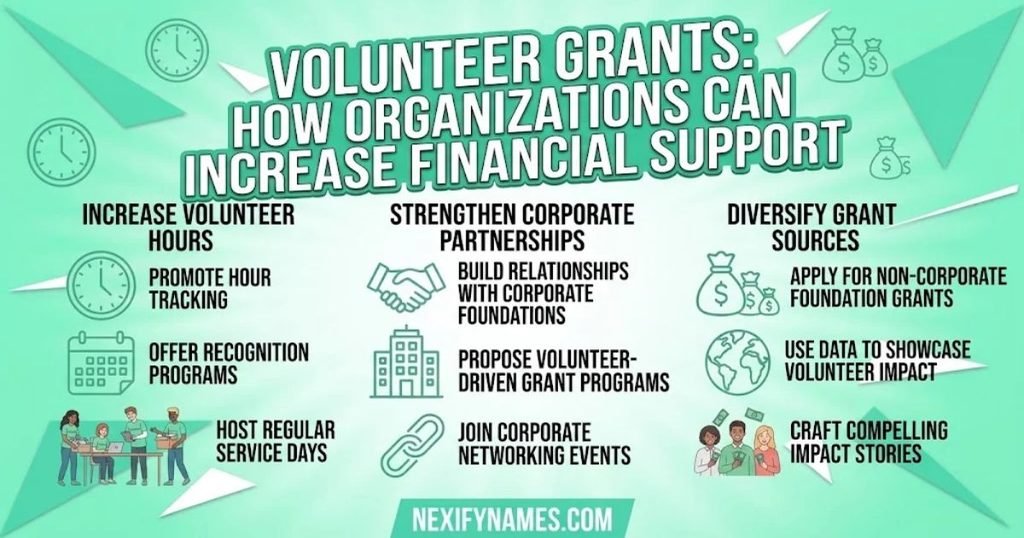
Volunteer grants offer nonprofits another way to raise funds without asking volunteers to make personal donations. Some employers provide financial contributions to eligible nonprofit organizations based on the volunteer hours their employees complete. These programs are sometimes called dollars-for-doers initiatives.
For example, a company might donate a certain amount after an employee completes a required number of volunteer hours. However, eligibility rules and grant amounts vary between employers. Nonprofits can make better use of these opportunities by taking a few practical steps:
- Collect employer information: Ask volunteers where they work during registration. This can help identify companies with volunteer grant programs.
- Explain available opportunities: Tell volunteers that their employers may offer financial support for nonprofit activities.
- Track volunteer hours: Maintain accurate records so eligible supporters can submit grant applications.
- Build corporate relationships: Connect with local businesses to learn about their community support programs.
- Show appreciation: Thank volunteers who help secure additional funding through their employers.
A simple tracking process can make these opportunities easier to manage. It also helps nonprofits recognize the wider contributions their volunteers bring.
Matching Gifts and Payroll Giving: Ways to Boost Nonprofit Donations
Workplace giving programs can help nonprofits receive additional financial support from people who already care about their mission. Two common options are matching gifts and payroll giving. Both make charitable contributions easier to manage, although they work differently.
Matching gifts allow eligible employees to request that their employers match personal charitable donations. Depending on company policies, an employer may match the original gift fully or partially.
Payroll giving lets employees arrange regular charitable contributions directly from their paychecks. This approach can make giving more convenient and provide nonprofits with a more predictable source of support.
Organizations can encourage participation through a few simple practices:
- Share information about workplace giving opportunities during volunteer communications.
- Make donation instructions easy to understand and follow.
- Provide clear details about eligible organizations and employer requirements.
- Remind supporters to check their company’s matching gift policies.
- Thank donors and keep them updated about the impact of their contributions.
The key is making participation optional and straightforward. Supporters should feel informed, not pressured.
Volunteers and Event Participation: Building Stronger Community Support
Community events give volunteers opportunities to contribute their time, skills, and professional connections. Their involvement can also introduce nonprofits to potential sponsors, local businesses, and new supporters.
However, volunteer contributions aren’t limited to physical work or fundraising assistance. Some people can provide valuable resources through their professional experience or personal networks. These contributions are often called in-kind donations because they involve goods or services instead of money.
Here are a few examples:
- Donated products: Local businesses might provide food, clothing, school supplies, or giveaway items for community events.
- Professional services: Volunteers with photography, marketing, legal, or design experience may offer their skills.
- Event resources: Supporters might help arrange meeting spaces, equipment, transportation, or technology.
- Community connections: Volunteers can introduce organizers to potential sponsors and helpful local organizations.
- Educational support: Teachers and experienced professionals may provide workshops, training, or mentoring sessions.
These contributions can reduce operating expenses and help organizations accomplish more with limited resources. A good volunteer coordinator should understand each person’s skills and interests before assigning responsibilities.
Effective Strategies to Turn Volunteers Into Long-Term Supporters
Building a lasting relationship with volunteers takes more than sending occasional reminders. People want to know their time matters, their contributions are recognized, and their involvement creates real change.
A thoughtful engagement strategy helps volunteers stay connected. It can also encourage them to participate in future activities, recommend the organization to friends, and support fundraising campaigns.
Consider these practical approaches:
- Communicate consistently: Share project updates, upcoming opportunities, and stories that demonstrate the impact of volunteer contributions.
- Recognize individual efforts: Celebrate achievements through appreciation events, personal messages, certificates, or public recognition.
- Offer meaningful responsibilities: Give experienced volunteers opportunities to lead activities and develop new skills.
- Make participation convenient: Provide clear schedules, simple registration, and flexible volunteering options.
- Invite feedback: Ask volunteers what works well and where the organization could improve.
- Build personal connections: Encourage team bonding through social gatherings, shared activities, and informal conversations.
- Explain fundraising opportunities: Introduce optional donation programs to volunteers who express interest in providing additional support.
Remember, strong relationships develop over time. When volunteers feel respected and included, they’re more likely to remain active members of your community.
How to Choose the Perfect Name for Your Volunteer Group
Choosing a name becomes easier when you understand what your group represents. Start by identifying your mission, the people involved, and the kind of impression you want to create. A neighborhood cleanup team might prefer something energetic, while a group supporting families could choose a warmer name.
Don’t rush the decision. Involve your members and collect suggestions before settling on a final option. A little creative brainstorming can help you find something that feels right for everyone.
Tips for Creating Memorable and Meaningful Volunteer Team Names
A memorable name should be simple, recognizable, and connected to your group’s personality. You don’t need complicated vocabulary or unusual spelling to make an impression. Sometimes, two familiar words create the strongest team identity.
Keep these suggestions in mind:
- Choose words that reflect your mission.
- Keep the name short and easy to pronounce.
- Look for positive and welcoming meanings.
- Ask group members to suggest their own ideas.
- Check whether another local organization already uses the name.
- Make sure the name works on shirts, banners, and social media.
For example, “Hands Together” communicates cooperation without requiring a long explanation. That’s the kind of clarity worth aiming for.

How to Match Your Volunteer Group Name With Your Mission
Your group’s name should give people a general idea of its purpose. It doesn’t need to explain every activity, but it should create the right impression.
Think about the message you want to communicate. An animal rescue team might use words related to protection and care. An environmental organization could choose a name inspired by nature, conservation, or sustainability.
You can also consider your audience. Names for youth volunteering programs might sound energetic and modern, while professional nonprofit teams may prefer something more polished.
Common Mistakes to Avoid When Naming a Volunteer Organization
A creative name can attract attention, but certain choices may create confusion later. Before making your decision, consider how the name will work as your group grows.
Avoid these common mistakes:
- Choosing complicated words: Difficult names can be hard to remember and pronounce.
- Following temporary trends: Trendy expressions may lose their appeal over time.
- Ignoring member opinions: A group name should represent the people who use it.
- Using unclear abbreviations: Unfamiliar initials can make your organization harder to recognize.
- Choosing a misleading name: Your name shouldn’t suggest activities or services your group doesn’t provide.
Take time to review your options. A clear, meaningful name will usually serve your organization better than something chosen simply because it sounds unusual.
Volunteer Recruitment and Community Engagement Strategies
A successful volunteer program depends on more than finding people willing to help. Organizations also need to create an environment where members feel welcome, informed, and motivated.
Community engagement starts with understanding local needs. Talk to residents, schools, community leaders, and existing volunteers. Their feedback can help you identify useful projects and make recruitment more effective.
How to Attract More Volunteers to Your Community Projects
People are more likely to volunteer when opportunities are clear and accessible. Explain what the project involves, how much time it requires, and what participants can accomplish.
You can reach potential volunteers through:
- Local community groups and neighborhood pages.
- School and university announcements.
- Social media campaigns.
- Community centers and local events.
- Partnerships with businesses and nonprofits.
- Recommendations from existing volunteers.
Make registration simple and respond to interested people promptly. A welcoming first interaction can encourage someone to take that important first step.
Creative Ways to Build Stronger Relationships With Volunteers
Strong relationships help turn occasional participants into active community members. People enjoy working with teams where communication feels natural and everyone has a role.
Organize casual meetups, appreciation gatherings, and team-building activities. You can also introduce a buddy system that pairs new volunteers with experienced members. This makes it easier for newcomers to understand their responsibilities and feel comfortable.
Most importantly, ask for feedback regularly. Small improvements based on volunteer suggestions can make the overall experience much better.
How to Encourage Young People to Join Volunteer Programs
Young people often want opportunities to develop skills, meet others, and contribute to meaningful causes. Volunteer programs can provide all three when activities match their interests and schedules.
Consider organizing environmental campaigns, educational support programs, community sports events, and creative fundraising activities. Give younger participants opportunities to share ideas instead of assigning every decision to adult organizers.
Flexible schedules and clear responsibilities also help. When young volunteers see that their contributions matter, they’re more likely to stay involved.
Building a Successful Volunteer Program That Makes a Difference
A strong volunteer program needs clear goals, organized leadership, and consistent communication. Even a small community initiative benefits from having a basic plan. Volunteers should understand why the project exists and how their individual responsibilities support its mission.
Start with realistic objectives. Identify the resources you need, assign suitable responsibilities, and establish a way to measure progress. You can then improve the program using feedback and participation records.
Essential Qualities of an Effective Volunteer Team
Successful volunteer teams share several important qualities. Members don’t have to possess identical skills or personalities. What matters is their willingness to cooperate and work toward shared goals.
Look for these qualities when building your team:
- Reliability: Members follow through on their responsibilities.
- Communication: Everyone understands important updates and expectations.
- Teamwork: Volunteers support one another instead of working in isolation.
- Flexibility: Members can adjust when plans or priorities change.
- Respect: Everyone feels valued regardless of experience or background.
- Commitment: Participants understand the purpose behind their work.
These qualities create a healthier group culture. They also make everyday coordination much easier.
How to Create a Volunteer Program for a Nonprofit Organization
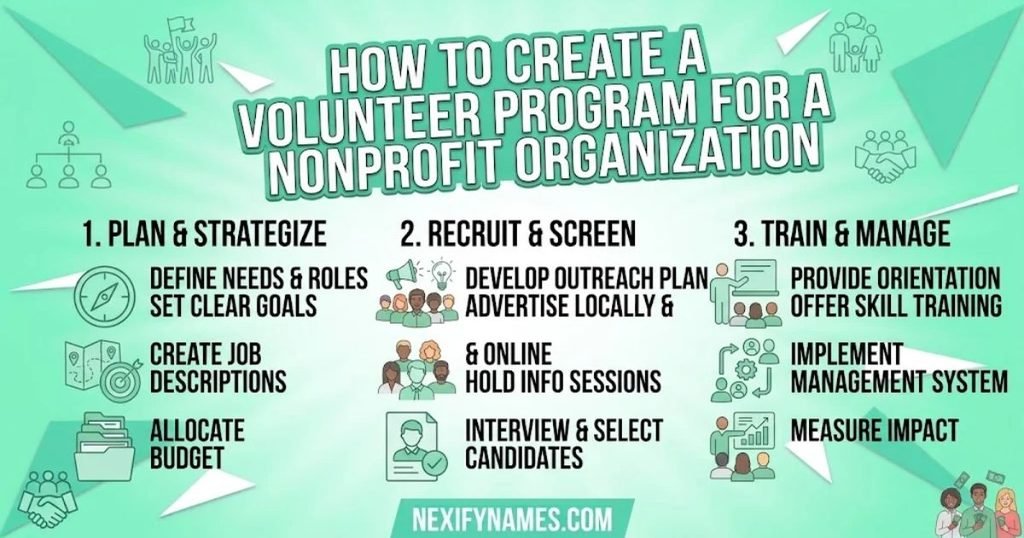
Creating a volunteer program starts with identifying a genuine organizational need. Decide which activities require additional help and what volunteers can realistically contribute.
Next, create clear role descriptions. Explain the responsibilities, required skills, time commitments, and any necessary training. This helps people choose opportunities that match their interests.
You should also establish a straightforward recruitment and onboarding process. Welcome new members, introduce them to the team, and provide the information they need before their first assignment.
Finally, review the program regularly. Track participation, gather feedback, and recognize achievements. These steps help your nonprofit build a volunteer program that remains useful and sustainable.
Best Practices for Managing and Retaining Community Volunteers
Volunteer retention depends heavily on the experience people have after joining. A well-organized team makes participation enjoyable and prevents unnecessary frustration.
Start by communicating expectations clearly. Avoid giving volunteers responsibilities without providing suitable guidance or resources. Check in regularly, acknowledge their efforts, and offer opportunities to learn new skills.
It’s also important to respect people’s availability. Not everyone can volunteer every week, and flexible participation can help more people stay connected.
When members feel appreciated and understand their impact, they’re more likely to continue supporting the organization.
Conclusion
Finding the right volunteer group name is a small step that can make a meaningful difference. It gives members something to identify with and helps communicate what your team stands for. Whether you choose something funny, creative, inspiring, or simple, make sure it reflects your group’s personality and purpose.
However, a memorable name is only the beginning. Strong volunteer teams grow through teamwork, communication, appreciation, and shared experiences. Give everyone a chance to participate, celebrate their contributions, and keep your common goals in focus. Most importantly, choose a name your members will feel proud to represent.
Frequently Asked Questions About Group Name Ideas
1. What makes a good volunteer group name?
A good volunteer group name is memorable, meaningful, easy to pronounce, and reflects your team’s mission, personality, and shared values.
2. How do I choose a unique name for my volunteer team?
Consider your mission, brainstorm meaningful words, involve members, and combine creative ideas to develop an original team identity.
3. What are some catchy names for community service groups?
Helping Hands, Kindness Crew, Hope Builders, Community Champions, and Hearts in Action are catchy choices for community service teams.
4. Should volunteer group names be funny or professional?
Choose based on your audience, mission, and activities. Funny names suit casual teams, while professional names fit formal organizations.
5. Can I use the same name as another volunteer organization?
Check existing organizations, social media accounts, and relevant trademarks before choosing a name to avoid confusion or legal problems.
6. How can I make my volunteer group more memorable?
Use consistent branding, recognizable group names, matching shirts, shared activities, and regular communication to strengthen your team’s identity.
7. Can I change my volunteer group name later?
Yes. Discuss the change with members, explain your reasons, update promotional materials, and communicate the new identity consistently.
Final Thoughts on Choosing the Best Volunteer Group Name
Choosing the right volunteer group name is a great way to bring people together and give your team a recognizable identity. Whether you prefer funny, creative, catchy, or meaningful names, the best choice should reflect your mission and the people behind it. Take inspiration from these volunteer group name ideas, discuss your favorites with team members, and choose something everyone feels proud to represent.
Remember, a strong volunteer team is built on more than just a memorable name. Teamwork, kindness, shared goals, and community support make the real difference. Pick a name that inspires action, celebrates togetherness, and reminds everyone why their contribution matters. Your next great community project deserves a name worth remembering!